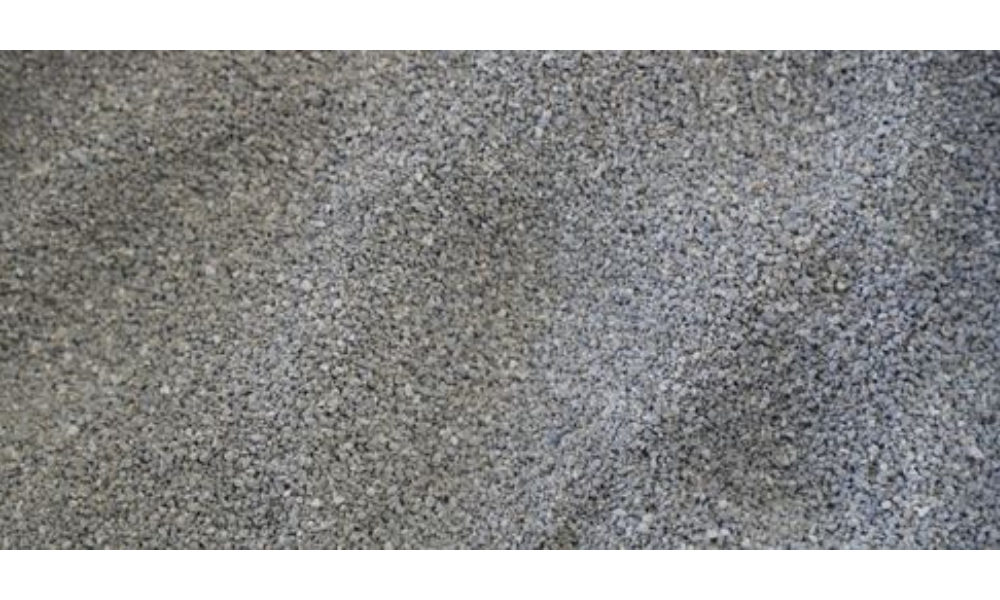
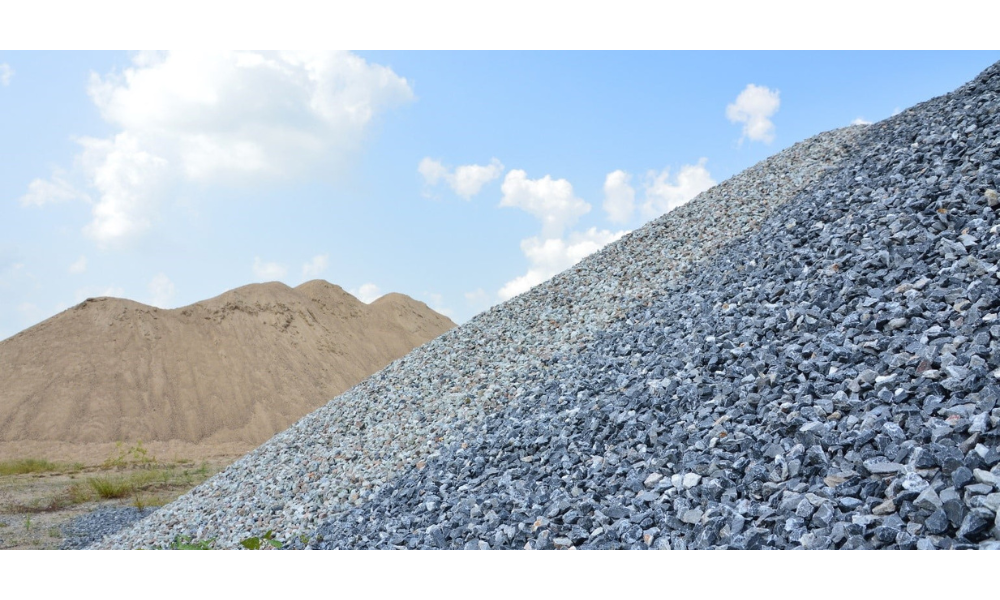
| Gravel 1 (G1) |
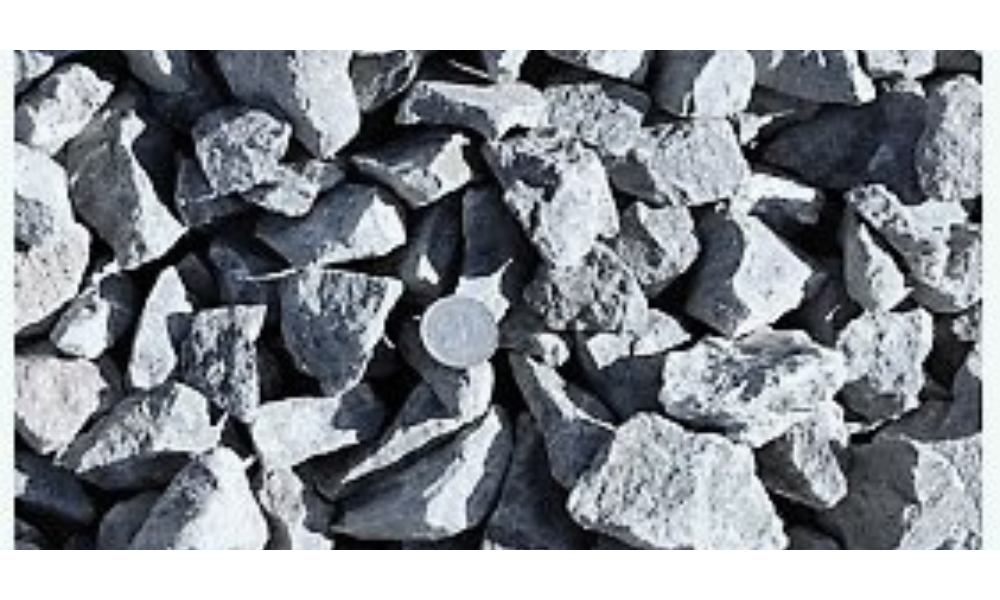
Apperance: Roughly crushed stones are widely utilized across various construction and engineering applications due to their excellent load-bearing properties
and versatility. They serve as granular bedding and filler material, providing a stable base for structures and enhancing the durability of projects.
These stones are essential in constructing large foundations, where their rough texture aids in creating a strong bond with concrete. In concrete pavements
and asphalt concrete mixes, roughly crushed stones ensure structural integrity and longevity, especially in designs requiring higher strength and resilience.
Color: The color can vary but is often a mix of gray, brown, and white stones.
Texture: The texture is coarse due to the angular nature of the crushed stones.
|
20mm to 40mm |
| Gravel 3/4 |
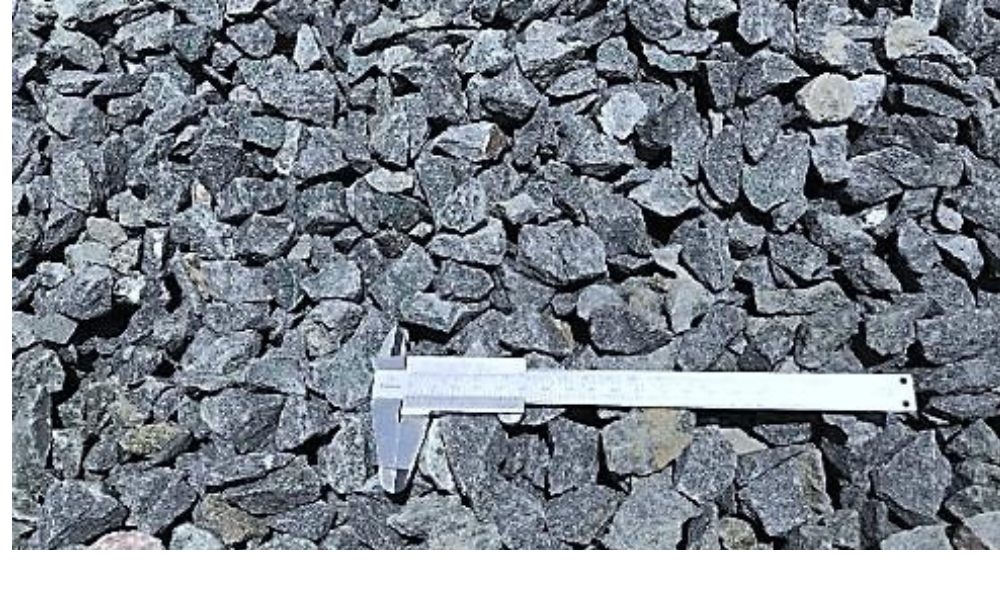
Apperance: Precisely crushed rock is highly valued for its strength, resilience, and adaptability, and is utilized extensively in diverse building contexts.
It is widely utilized in structural concrete mixtures, where the concrete's strength and durability are enhanced by its varied sizes and rough texture. Because of its capacity to
sustain heavy loads and strains, this kind of rock is especially prized in pre-stress and pre-cast concrete products, where it helps to assure the structural integrity of the final goods.
Color: Typically ranges in color from gray to brown, depending on the source.
Texture: It has a rough and angular texture due to the crushing process of larger stones.
|
10mm to 20mm |
| Gravel 3/8 |
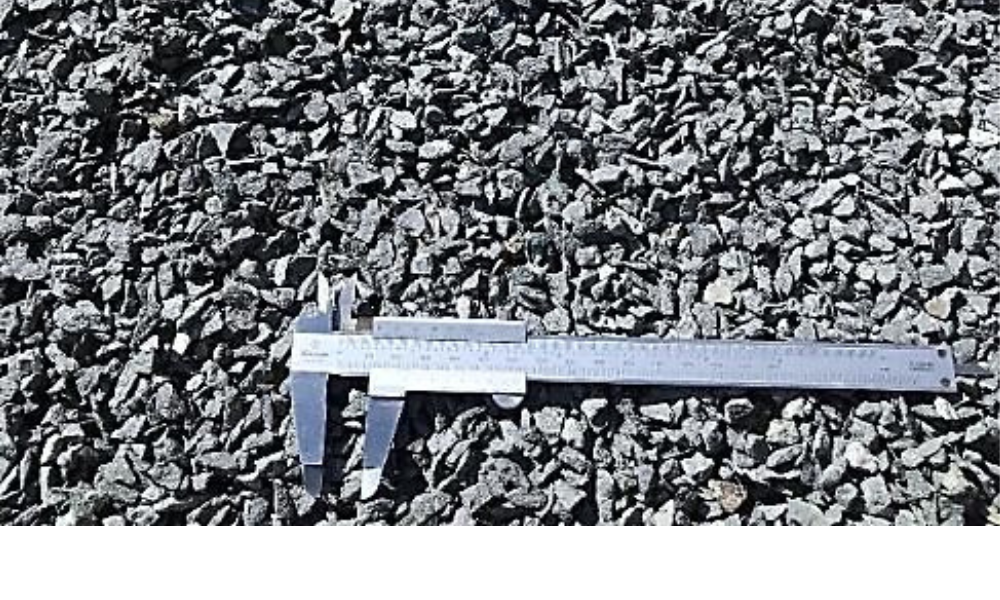
Apperance: For high-strength concrete mixtures intended for heavily reinforced structures, coarsely crushed rock is a necessary ingredient. Because of its strong
composition and angular shape, concrete can bear large loads and stresses better than other materials, which makes it perfect for infrastructure projects like high-rise buildings and
bridges where structural integrity is crucial. Coarsely crushed rock is used in pre-stress and pre-cast concrete products to guarantee the structural integrity and long-term durability
of elements like beams, columns, and panels.
Color: Typically ranges in color from gray to brown, similar to other types of gravel.
Texture: It has a rough and angular texture, similar to other gravel sizes.
|
6mm to 10mm |
| S1 Sand |
Apperance: For high-strength concrete mixtures intended for heavily reinforced structures, coarsely crushed rock is a necessary ingredient. Because of its strong
composition and angular shape, concrete can bear large loads and stresses better than other materials, which makes it perfect for infrastructure projects like high-rise buildings and
bridges where structural integrity is crucial. Coarsely crushed rock is used in pre-stress and pre-cast concrete products to guarantee the structural integrity and long-term durability
of elements like beams, columns, and panels.
Grain Shape: It consists of rounded grains due to natural weathering processes.
Consistency: S1 sand is usually well-graded, meaning it contains a mix of particle sizes that help in compacting and providing stability.
|
0 to 6mm |
| White Sand (Raw Sand) |
Apperance:Particle size consistency is ensured by this rigorous screening, which produces a fine, constant texture that is highly valued in building applications.
Natural thick fine sand, distinguished by its white coloring, is widely acknowledged as the most widely used sand in construction because of its exceptional quality and adaptability.
Grain Shape: It generally has a fine texture, with grains that are smooth and rounded.
Consistency: Well-graded, with a uniform particle size distribution that aids in compaction and stability.
|
0 to 9mm |
| White Sand (Vibro Sand 4mm) |
Apperance:Goes through a specific screening procedure, usually using a vibrating 4mm sieve screen. Because of the careful screening process, the sand particles are
consistently small and very fine, which makes it perfect for plastering applications where a smooth finish is required.
Grain Shape: The vibration process can help to achieve a more uniform particle size distribution and rounded grains.
Consistency: It tends to have a more uniform texture and grading compared to natural sands.
|
0 to 4mm |
| Base Course |
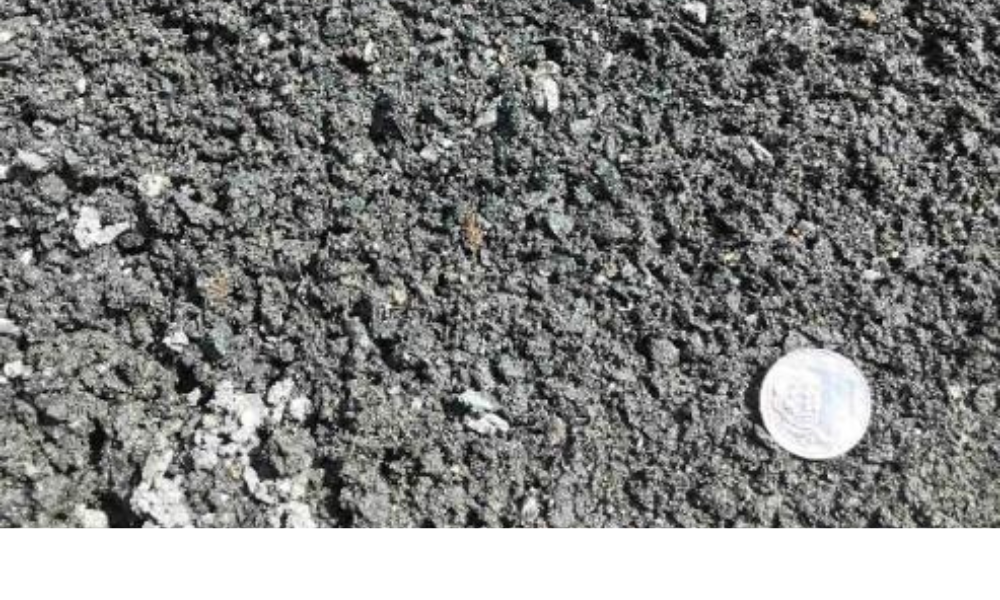
Apperance:The base course or basecourse in pavements is a layer of material in an asphalt roadway, race track, riding arena, or sporting field. It is located under the
surface layer consisting of the wearing course and sometimes an extra binder course.
Grain Shape: It enhances the stability of the pavement structure by providing a solid foundation.
Consistency: Helps in managing moisture and preventing water from infiltrating into the subgrade, which can lead to erosion and weakening.
|
-- |